Different places call for different retail priorities.
A good fit begins with the people using a space and the practical conditions around them. Explore how the rhythm of a location can shape its retail concept.
Workplaces
Convenience that fits the working day.
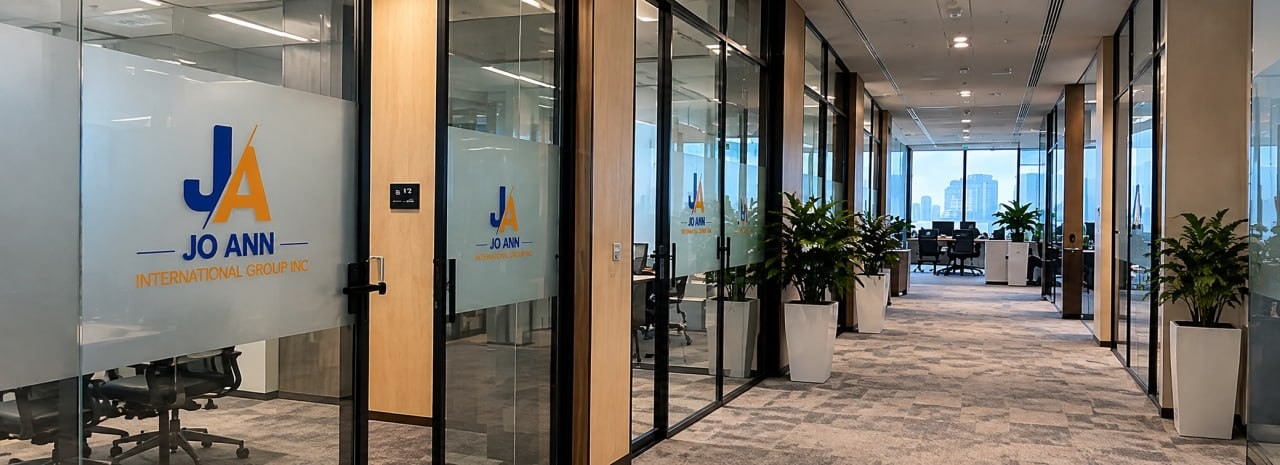
Arrival times, short breaks, and shift patterns create different reasons to make a purchase. A workplace retail point should reflect those routines while respecting the space around it.
A morning drink, an item for a short break, and an essential needed late in a shift represent different purchase occasions. Consider them separately when choosing an initial range.
People
Consider regular staff, visitors, and the needs of teams working at different times.
Place
Review visibility, access, nearby facilities, and circulation through break rooms or shared areas.
Routine
Coordinate product choices, refill access, and service visits with the way the workplace operates.
Questions to resolve: When are the busiest breaks? Can a refill take place without interrupting work? Who can report an issue outside the main office hours?
Campuses and communities
Useful choices in shared everyday spaces.
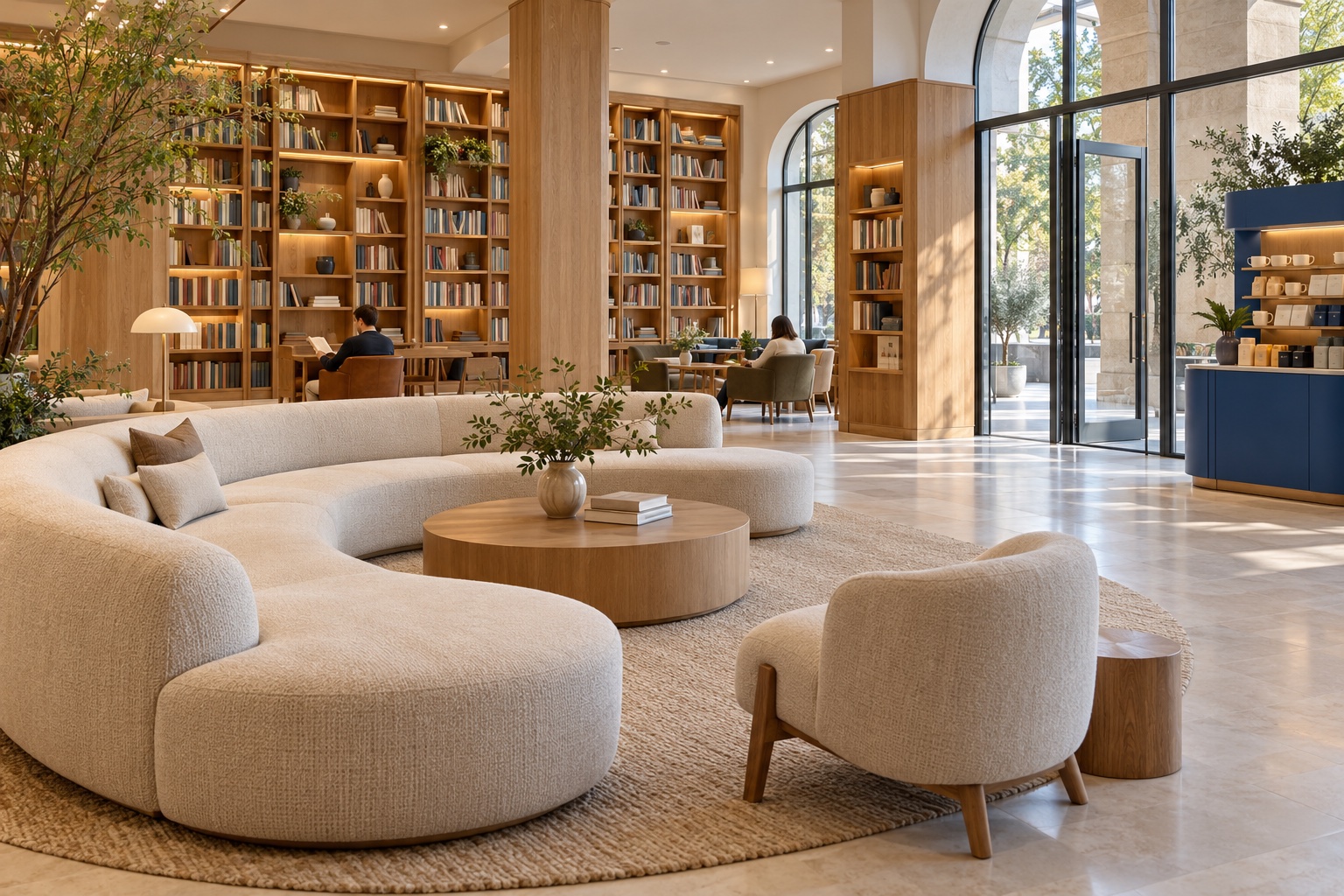
Campus lounges, residential common areas, and community settings bring together people with varied schedules. Product relevance and clear instructions matter throughout the day.
People
Understand the range of users, the length of their visits, and changing needs across the week.
Place
Plan accessible positioning and clear information in keeping with shared-space rules.
Routine
Set responsibilities for product availability and servicing, including evenings and quieter periods where relevant.
Questions to resolve: How do term times or community events affect the space? Are instructions readable for the intended users? How will servicing fit around shared activities?
Commercial spaces
A useful part of the wider visit.
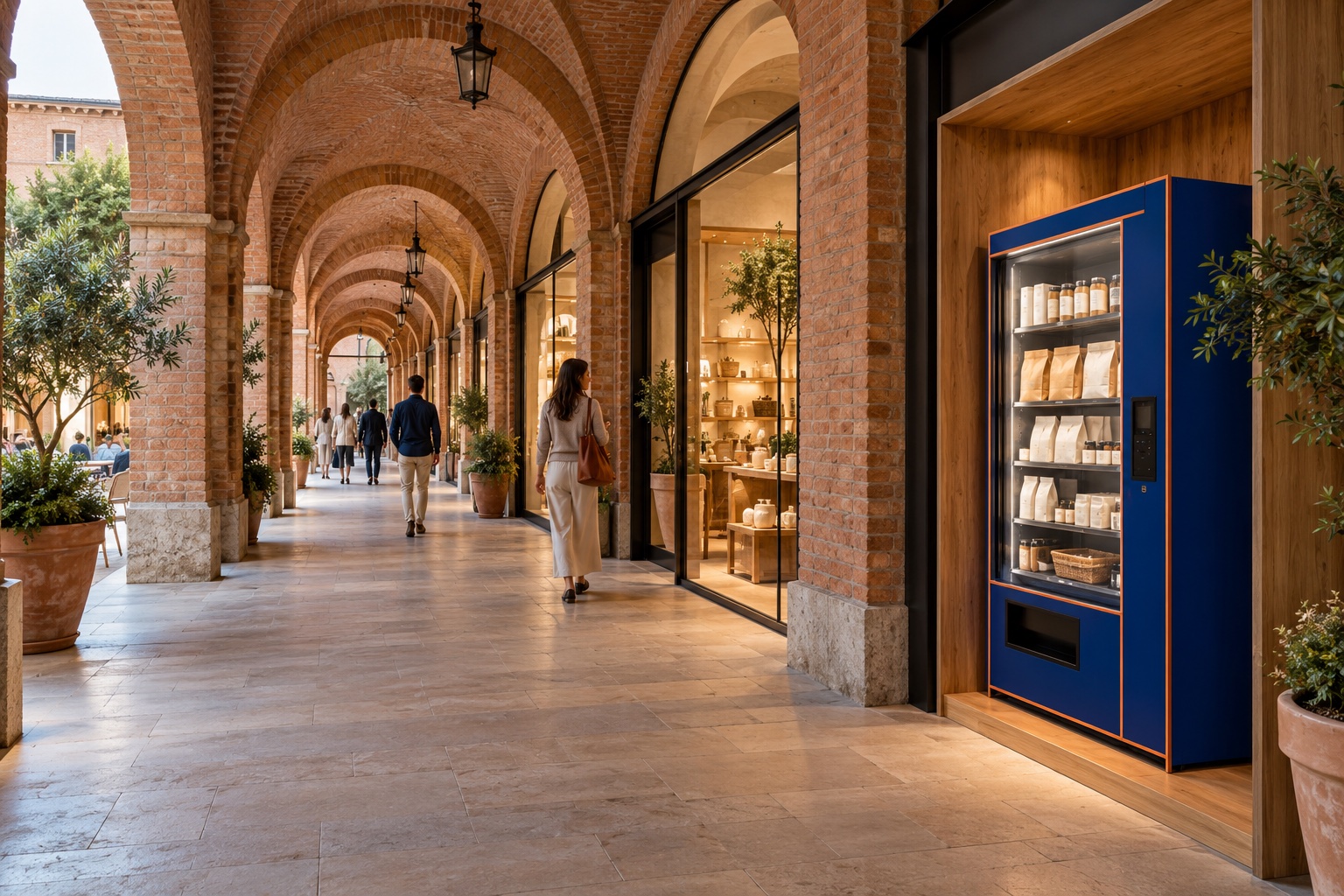
A retail point can complement the services already present in a venue. Its format, product selection, and communication should fit the visitor journey and the character of the space.
People
Consider the purpose of the visit and the products that would be useful along the way.
Place
Work with existing services, sightlines, and circulation rather than creating an obstruction.
Routine
Coordinate stock, venue responsibilities, and any digital content with the wider operating schedule.
Questions to resolve: What nearby need is underserved? Does the format fit the venue's presentation standards? Who approves on-screen content and coordinates service access?
Travel settings
Clear choices for people on the move.
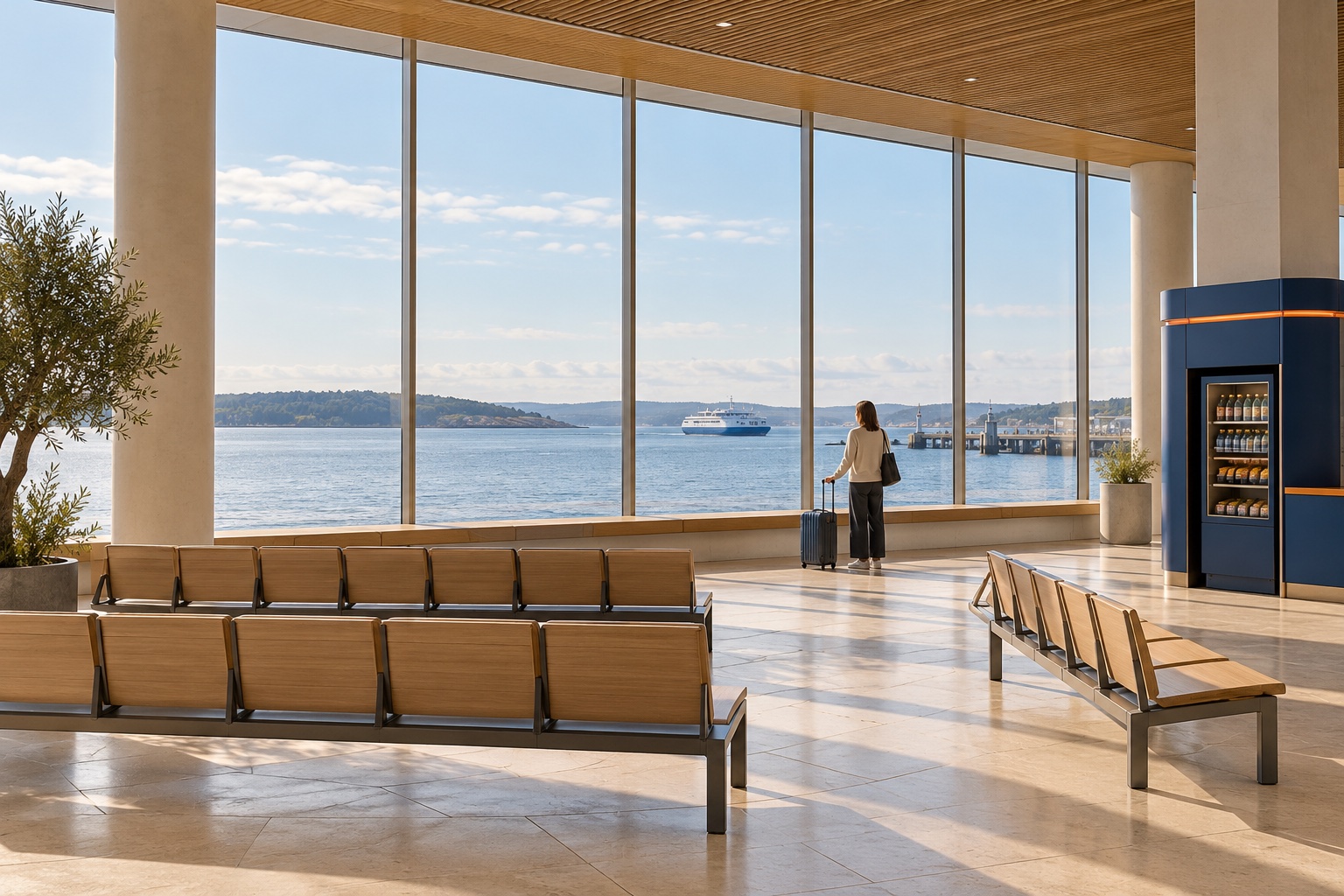
Short visits and changing peaks of activity put greater emphasis on clarity. People should be able to understand the choices, prices, and purchase steps without an unnecessary delay.
People
Plan for visitors with limited time, luggage, or an unfamiliarity with the location.
Place
Check visibility and access while preserving the flow of a busy public environment.
Routine
Consider periods of higher demand, service access restrictions, and the relevance of on-screen information.
Questions to resolve: How quickly must someone understand the purchase? When can a service team enter the space? How could seasonal peaks change replenishment needs?
Three questions belong in every location.
Who will use it? What can the space support? Who will keep it operating? Answering these questions gives the next stage of planning a clearer foundation.
Build a location brief