Plan the purchase. Support the routine.
A retail experience involves more than a machine or a screen. Our focus brings together the physical purchase, the operating routine, and the information people encounter along the way.
Smart vending, shaped around the moment.
Products where they make sense.
Begin with a purchase occasion: a short break, an everyday need, or a moment on the move. The product range, equipment format, and payment journey should support that occasion.
For example, a weekday office may have predictable peaks around breaks, while a public venue may see a more varied mix of visitors. These differences are useful inputs when deciding on a starting assortment and a review routine.
Placement and access
Consider visibility, circulation, reach, and the way a retail point fits into its surroundings.
Product fit
Match the assortment to the people using the location and the storage, dimensions, and handling requirements of the products.
A clear purchase journey
Give product information, pricing, selection, payment, and collection a straightforward sequence. Available features depend on the chosen configuration.
Room for the routine
Plan power, connectivity, refill routes, and service access before settling on the equipment position.
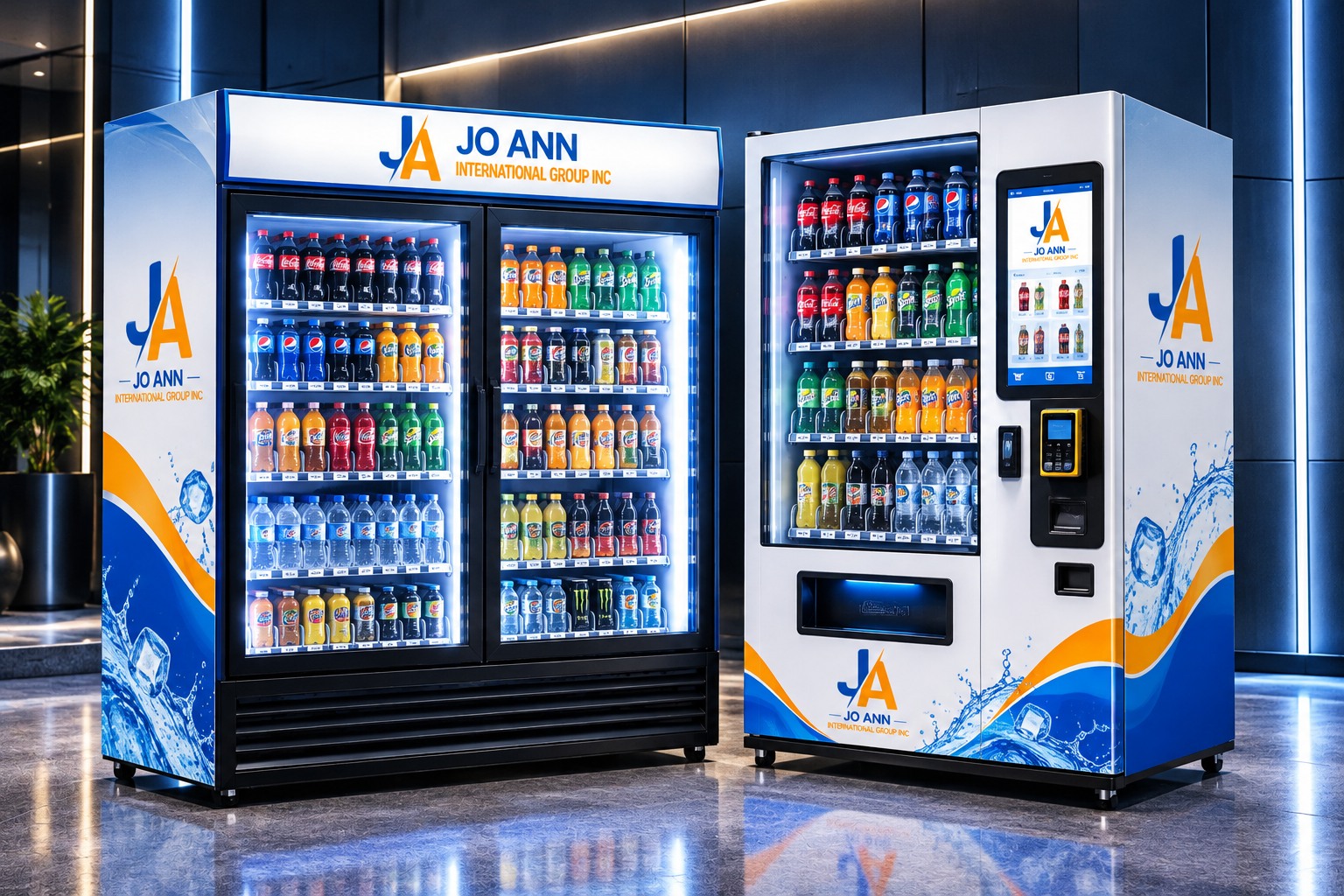
Give each operating signal a next step.
Information becomes useful through action.
Stock information and equipment status need context. A useful operating plan explains which information is available, how current it is, who reviews it, and what happens when attention is needed.
Understand recent activity
Review available product, stock, and service information together with what is happening at the location.
Decide what needs attention
Separate routine replenishment from exceptions that need closer review, additional information, or technical support.
Prepare and follow through
Define the person responsible, prepare the visit or response, and record the outcome so work can be reviewed.
Analytical tools may help people identify patterns and questions. Their usefulness depends on appropriate information and human judgment.
A lower-than-expected stock reading might require a refill, a data check, or a closer look at recent activity. A defined response helps the team resolve the question before treating a signal as a confirmed problem.
Make the message fit the setting.
Digital communication with a clear purpose.
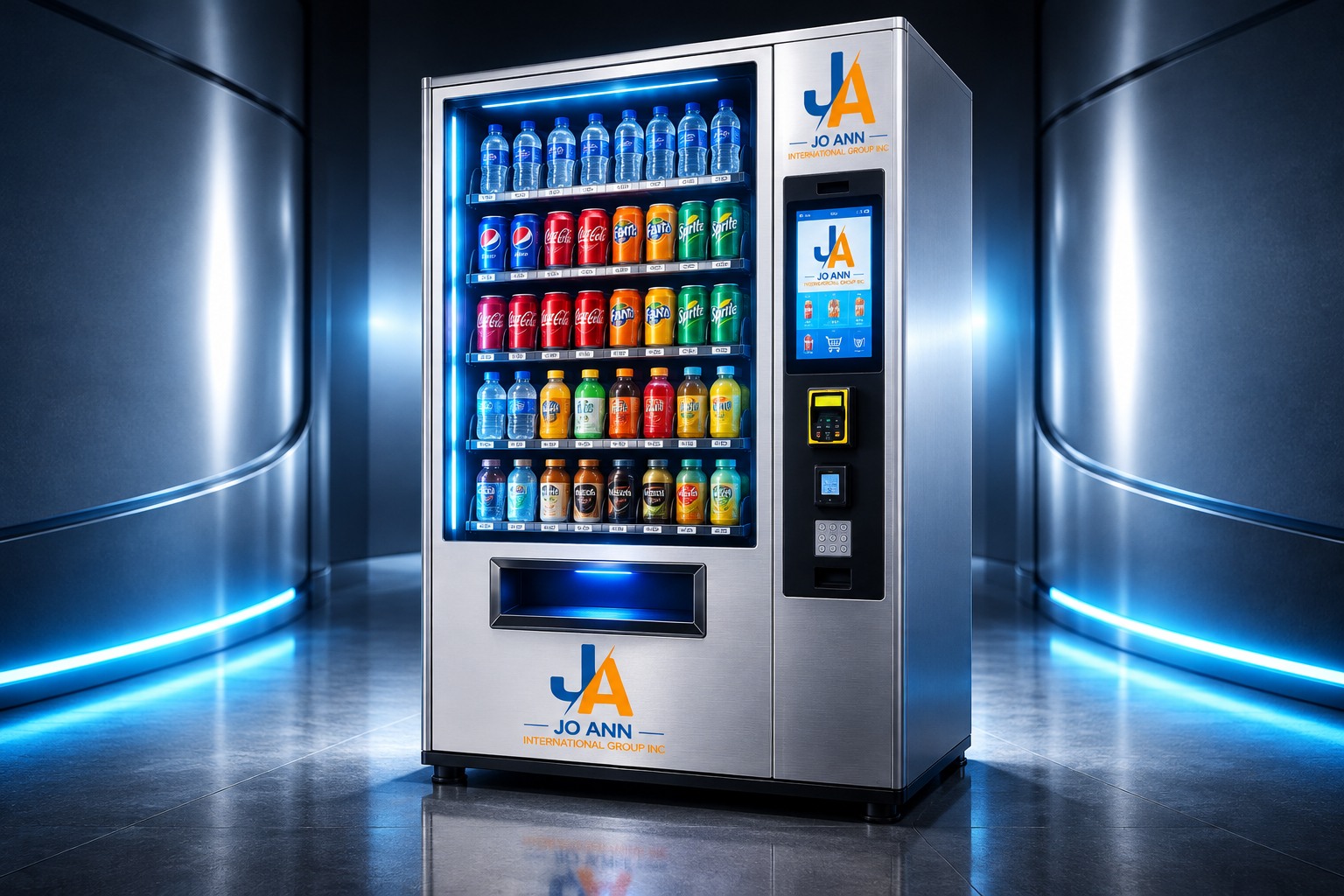
Retail media can explain a product, guide a purchase, or communicate a relevant offer. The message should remain understandable at the distance and speed at which people see it.
A short instruction near the point of purchase serves a different purpose from a message in a waiting area. Choose the amount of content, its reading distance, and its duration around that specific use.
Audience and attention
Consider who will see the content, where they will be standing or moving, and how much time they can give it.
Timing and ownership
Define the schedule, approval process, and person responsible for keeping each message current.
A useful basis for review
Agree what the selected system can measure. Playback, audience reach, and customer response describe different outcomes.
Find the right starting point for your setting.
Choose the scope around the location and its needs. Equipment, software, payment, and media connections require configuration-specific checks.
Explore the environments